Our team has noticed a significant gap in many UK doctors’ CPD portfolios when it comes to the growing challenge of behavioural addictions like gambling disorder. As the medical landscape evolves, so too must our expertise. This article provides a focused guide for UK doctors seeking to enhance their understanding and clinical skills in this critical area, aligning their learning with formal CPD requirements and the practical realities of patient care within the NHS and beyond.
Why CPD on Behavioural Addictions is Now Essential for UK Doctors
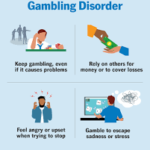
The imperative for UK doctors to engage in Continuing Professional Development (CPD) on behavioural addictions has never been clearer. Gambling disorder, recognised as a behavioural addiction in both the ICD-11 and DSM-5, represents a substantial and growing public health concern. According to Public Health England’s 2021 evidence review, an estimated 0.5% of the UK population are problem gamblers, with many more experiencing harm. This prevalence translates directly into clinical practice, where patients may present with comorbid mental health issues, financial crisis, or somatic symptoms without initially disclosing the root cause.
This clinical reality intersects directly with the General Medical Council’s (GMC) emphasis on holistic patient care as outlined in Good Medical Practice. Doctors are required to provide care that meets the needs of the individual patient, which necessitates an understanding of all potential factors affecting health, including addictive behaviours. Ignorance of gambling disorder and related conditions can lead to misdiagnosis, ineffective treatment plans, and a failure in the duty of care. Proactively seeking CPD in this field is no longer a niche interest but a fundamental component of competent, patient-centred medicine in the modern UK healthcare system.
Key GMC CPD Principles and Learning Areas for Addiction
Effective CPD is not about collecting random hours of learning; it must be a structured process that demonstrably improves your practice. The GMC’s ‘Good Medical Practice’ domains form the basis for all CPD planning and revalidation. These domains provide the perfect framework for integrating behavioural addiction training into your professional development, ensuring it is relevant, reflective, and impactful.
The Four Domains of Good Medical Practice
Each domain offers a clear lens through which to view addiction-related CPD:
- Knowledge, Skills and Performance: This is the core domain for clinical upskilling. CPD here would focus on understanding the neurobiology of addiction, diagnostic criteria for gambling disorder, screening tools (e.g., the Problem Gambling Severity Index), and evidence-based interventions such as Cognitive Behavioural Therapy (CBT) and motivational interviewing.
- Safety and Quality: Training in this area ensures you can identify patients at risk, understand safeguarding protocols related to gambling-induced financial harm or suicidality, and contribute to safer clinical pathways within your practice or trust.
- Communication, Partnership and Teamwork: Learning how to sensitively broach the topic of gambling, communicate with families affected by addiction, and refer effectively to specialist services like NHS gambling clinics falls squarely within this domain.
- Maintaining Trust: This involves understanding the stigma associated with behavioural addictions and ensuring your practice is non-judgmental, ethical, and upholds the dignity of patients struggling with these conditions.
Linking Addiction Training to Revalidation
When you align your learning on behavioural addictions with these four domains, you create powerful evidence for your revalidation portfolio. It demonstrates to your appraiser that you are responding to an emerging health need and systematically addressing gaps in your knowledge that directly impact patient outcomes. Documented CPD in this area shows a commitment to the holistic principles of Good Medical Practice and prepares you for the increasing likelihood of encountering these disorders in your patient population.
Royal College CPD Modules and Certification Paths
Thankfully, UK doctors do not need to navigate this learning journey alone. The Royal Colleges have developed substantial, high-quality resources specifically addressing behavioural addictions, offering structured modules and formal certification paths.
Royal College of Psychiatrists Resources
The Royal College of Psychiatrists (RCPsych) is a leading provider of addiction medicine training. For psychiatrists and other doctors seeking in-depth knowledge, the College offers a formal ‘Certificate in Addiction’ for members. This provides a comprehensive curriculum covering substance and behavioural addictions. Furthermore, the RCPsych’s CPD eLearning hub hosts numerous relevant modules, including topics on the assessment and management of gambling disorder. These resources are invaluable for any doctor working in mental health, general hospital liaison, or community settings where complex addiction presentations are common.
RCGP Online Learning for GPs
For General Practitioners, the Royal College of General Practitioners (RCGP) has integrated this crucial topic into its accessible online learning platform. The RCGP’s eLearning hub includes a dedicated ‘Gambling and Health’ module. This resource is specifically designed for the primary care context, equipping GPs with the skills to identify patients at risk, conduct brief interventions, and make appropriate referrals. Completing such a module provides certified CPD hours that can be directly logged into your RCGP CPD diary, making it a convenient and highly relevant option for maintaining and enhancing frontline clinical skills.
NHS Problem Gambling Clinic Training for Practitioners
Beyond formal online modules, unparalleled hands-on learning opportunities exist within the NHS’s own specialist services. Engaging with these clinics offers insights into real-world treatment models and complex case management.
The National Problem Gambling Clinic Model
The National Problem Gambling Clinic in London is the NHS’s first specialist service for severe gambling disorder. Operating as part of the Central and North West London NHS Foundation Trust, it offers a multidisciplinary treatment model. For practitioners, the clinic can be a vital resource for training and professional development. They may offer shadowing opportunities, case discussion forums, or formal teaching sessions on their integrated approach, which combines psychiatry, psychology, family therapy, and financial counselling. Understanding this model allows doctors in other regions to appreciate the specialist pathways available and the components of effective, holistic treatment.
Regional NHS Clinic Networks
Following the expansion of NHS gambling services, a network of clinics now operates across England in cities like Leeds, Manchester, Southampton, and Stoke-on-Trent. These regional clinics often engage in local training initiatives for healthcare professionals in their catchment areas. Contacting your nearest NHS problem gambling clinic to enquire about training seminars, referral protocol workshops, or shared learning events is a proactive step. This not only builds your own knowledge but also strengthens the vital bridge between primary/secondary care and specialist addiction services, ultimately improving patient journeys.
Practical Steps to Log This CPD for Your Portfolio
To gain full value from your learning, it must be properly documented for your appraisal and revalidation. Here is a practical, step-by-step approach to logging CPD on behavioural addictions.
Crafting an Effective Reflective Entry
Merely stating you completed a module is insufficient. Your reflective note should articulate the impact on your practice. Use a model like “What? So What? Now What?” Structure your entry by describing the learning activity (e.g., “Completed the RCGP ‘Gambling and Health’ module”), then analyse what you learned that was new or changed your perspective. Crucially, conclude with a clear action: how will this change your future practice? For example: “I will now incorporate two screening questions about gambling into my consultations with patients presenting with anxiety or debt issues, and I have downloaded the contact details for our regional NHS clinic to facilitate faster referral.”
Aligning with Annual Appraisals
When preparing for your annual appraisal, present this CPD within the context of your personal development plan (PDP) and the GMC domains. Frame it as a response to a perceived need in your patient population or a development goal to enhance your holistic care capabilities. Use the specific learning outcomes from the Royal College modules or clinic training to demonstrate targeted skill acquisition. Log the activity and your reflection in your chosen CPD diary tool, such as the RCGP or RCPsych online portfolios, ensuring the evidence is clear, accessible, and ready for discussion with your appraiser.
We urge UK doctors to proactively seek out this training, as it is becoming a cornerstone of competent, compassionate modern medical practice. Addressing behavioural addictions like gambling disorder is an integral part of fulfilling our duties under Good Medical Practice and meeting the evolving health needs of the population we serve.