Protect CPD: Your Guide to UK Addiction Healthcare & Professional Development
Our team is here to cut through the noise and provide a clear, informed path for UK healthcare professionals navigating the complex world of gambling disorder and CPD. With rising public health concerns and evolving General Medical Council (GMC) standards, dedicated knowledge in behavioural addictions has never been more critical. This guide serves as your essential resource for understanding the NHS response, fulfilling your professional development requirements, and delivering effective patient care.
The UK’s Gambling Disorder Crisis & The NHS Response
The landscape of gambling harm in the UK is shifting, demanding a robust and specialised healthcare response. As clinicians, understanding this framework is the first step towards effective intervention and support for a vulnerable patient group.
The Scale of Harm in the UK
Problem gambling is a significant public health issue, with recent estimates suggesting hundreds of thousands of individuals are directly affected, alongside the profound impact on families and communities. The associated harms extend far beyond financial loss, encompassing severe mental health deterioration, relationship breakdown, and increased risks of suicidality. This escalating crisis underscores the urgent need for medical professionals across primary and secondary care to be equipped with the skills to identify and refer patients appropriately.
The NHS Clinic Network: A Lifeline
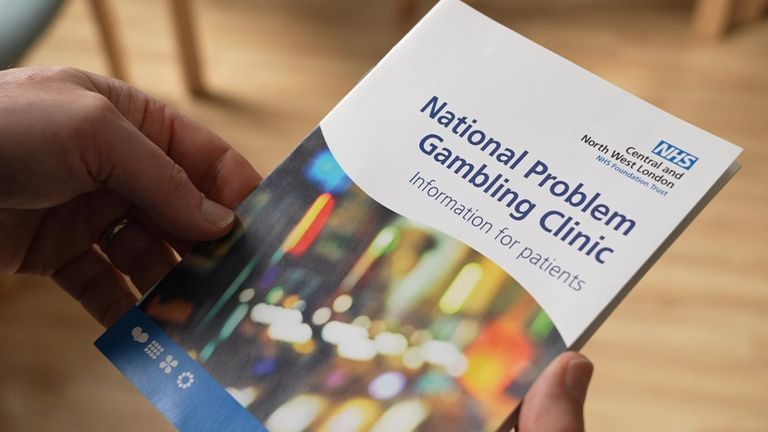
In response, the NHS has established a dedicated network of specialist clinics. The National Problem Gambling Clinic on London’s Tavistock Square operates as a national centre for severe cases, offering intensive treatment. Complementing this, regional services like the Northern Gambling Service in Leeds provide vital access to specialist care outside the capital. These clinics, often funded in partnership with charities like GambleAware, form a crucial lifeline, offering multi-disciplinary treatment that many would otherwise be unable to access.
GMC-Aligned CPD for Addiction Medicine
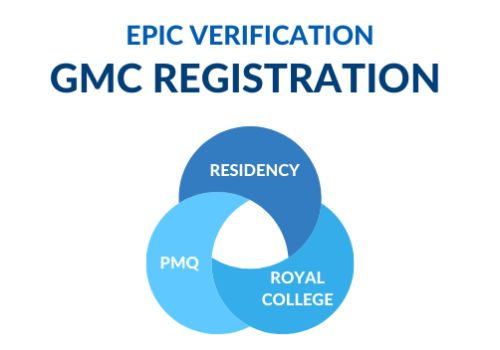
For UK doctors, engaging with continuing professional development (CPD) on behavioural addictions is no longer a niche interest but a core component of competent, reflective practice. It directly supports the GMC’s requirements for revalidation and reflective practice, ensuring your skills remain relevant in a rapidly changing clinical environment.
Why It’s Vital for Your Practice
Gambling disorder frequently co-occurs with other conditions like depression, anxiety, and substance misuse. Enhanced knowledge allows for better differential diagnosis, reduces stigma in clinical encounters, and enables you to guide patients towards the correct specialist services. Documented CPD in this area powerfully demonstrates your commitment to holistic patient care during your revalidation portfolio review.
Trusted CPD Resources and Providers
Seeking out high-quality, accredited learning is essential. Key providers offering GMC-aligned CPD include:
- The Royal College of Psychiatrists, which provides extensive resources on addiction, including CPD modules, guidelines, and event recordings.
- BMJ Learning, offering online courses on addiction medicine and related mental health topics.
- Specialist modules from Health Education England and the NHS England specialist clinics themselves.
These resources ensure your learning is evidence-based, relevant, and formally recognised.
Effective Problem Gambling Treatment in the UK
While complex, gambling disorder is treatable. The most effective interventions available through the NHS clinic network are grounded in robust evidence and a holistic view of the patient.
Evidence-Based Therapeutic Approaches
Cognitive Behavioural Therapy (CBT) remains the cornerstone of psychological treatment, helping patients understand and modify the thoughts and behaviours that drive gambling. This is often combined with motivational interviewing and, in cases with co-morbidities, appropriate pharmacotherapy. Furthermore, the NHS is innovating with digital tools and apps that provide supplementary support and relapse prevention strategies, increasing the reach and flexibility of treatment.
Integrating Care Pathways
Successful outcomes typically depend on a multi-disciplinary approach. This integrates psychiatrists, psychologists, specialist nurses, and financial counsellors to address the multifaceted nature of harm. For GPs and other frontline professionals, understanding this model is key to making effective referrals and providing continued support within primary care settings.
Navigating European Healthcare Insights for UK Practice
Looking beyond the UK offers valuable perspectives that can enhance our domestic approach to gambling harm. European models present alternative strategies in both public health policy and clinical intervention.
Learning from European Models
Countries like Sweden employ a stringent state-controlled licensing model that emphasises consumer protection over commercial interest. Meanwhile, Portugal integrates gambling harm reduction into its broader public health and addiction services, promoting seamless care. Research from across Europe continues to contribute to the international evidence base on treatment efficacy and harm prevention strategies.
Applying Insights Locally
UK clinicians can assimilate these insights by advocating for a stronger public health focus in gambling policy and considering integrated care models that treat behavioural and substance addictions in tandem. Engaging with European research through CPD activities ensures your practice is informed by the widest possible evidence base, allowing you to contribute to a more robust, prevention-oriented UK system.
Staying informed and connected through quality CPD is the most powerful tool UK clinicians have to combat the rising tide of gambling harm. We urge you to proactively engage with the resources outlined, reflect on your learning, and apply it to build a more effective, compassionate response for your patients. Explore your next CPD module on addiction today.