With problem gambling affecting hundreds of thousands in the UK, knowing where to refer patients for specialist NHS treatment is crucial for healthcare professionals. Gambling disorder is a recognised behavioural addiction with severe consequences for mental and physical health, finances, and family stability. For GPs, psychiatrists, and allied health practitioners, understanding the landscape of dedicated NHS services is the first critical step in facilitating effective care. This guide provides a clear overview of the available NHS problem gambling clinics, their locations, treatment models, and the practical steps for making a referral, alongside the importance of relevant continuing professional development (CPD) in this growing field.
The Growing Need for Problem Gambling Treatment in the UK
The scale of gambling-related harm in the United Kingdom presents a significant public health challenge. According to the latest statistics from the UK Gambling Commission, it is estimated that over 400,000 people in the UK are problem gamblers, with a further 1.8 million at risk. The associated health and social burdens are substantial, extending far beyond financial loss. Problem gambling is strongly comorbid with conditions such as depression, anxiety, substance misuse, and suicidality. It also contributes to relationship breakdown, employment issues, and profound social isolation. This creates a clear and pressing need for integrated, evidence-based treatment pathways within the National Health Service to address this complex behavioural addiction.
An Overview of the NHS National Problem Gambling Clinic
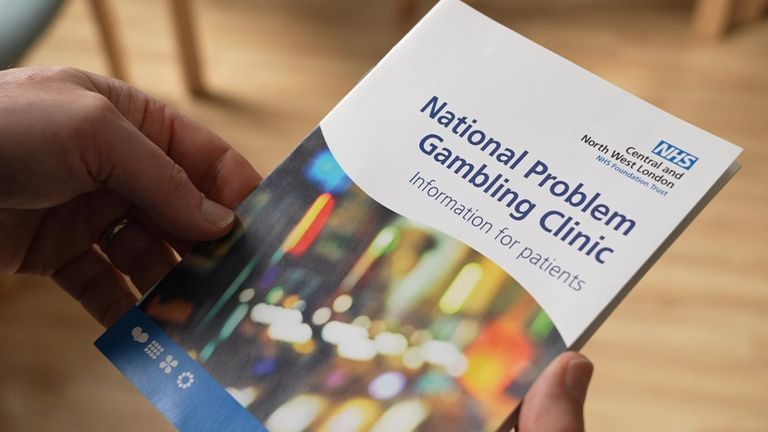
The NHS National Problem Gambling Clinic, based in London, serves as the flagship specialist service for adults in England. It operates as part of the Central and North West London NHS Foundation Trust and accepts referrals from across the country. The clinic employs a multidisciplinary team approach, bringing together psychiatrists, clinical psychologists, cognitive behavioural therapists, and family therapists to provide holistic, person-centred care.
History and Establishment
Established in 2008, the National Problem Gambling Clinic was the first NHS service of its kind in the UK. It was founded in direct response to the growing recognition of gambling disorder as a serious clinical condition requiring dedicated, specialist intervention. The clinic has since played a pivotal role in developing and refining treatment protocols, contributing to research, and shaping the national framework for gambling harm treatment.
Core Treatment Approaches
The clinic’s treatment is grounded in evidence-based modalities, primarily Cognitive Behavioural Therapy (CBT) tailored for gambling disorder. This focuses on identifying and modifying the distorted thoughts, urges, and behaviours that maintain problematic gambling. Alongside individual therapy, the clinic places a strong emphasis on family therapy and support, acknowledging the profound impact of gambling on loved ones. Treatment plans are individualised and may also include pharmacological management of co-occurring mental health conditions, financial advice, and social support.
Regional NHS Gambling Clinics: Locations and Services
In recent years, the NHS has expanded its specialist provision through the establishment of regional clinics, forming a national network to improve accessibility. These services mirror the multidisciplinary, evidence-based model of the national clinic while serving their specific geographic populations.
Northern Gambling Service, Leeds
The Northern Gambling Service is based in Leeds and is part of the Leeds and York Partnership NHS Foundation Trust. It serves the population of the North of England, offering assessment and treatment for adults affected by severe gambling disorder. Its team includes consultant psychiatrists, psychologists, and therapists who deliver a range of interventions, including CBT and family work.
Midlands Gambling Service, Birmingham
Operating from Birmingham, the Midlands Gambling Service is run by the Birmingham and Solihull Mental Health NHS Foundation Trust. This clinic provides specialist treatment for adults across the Midlands region. Its comprehensive service model includes psychiatric assessment, psychological therapy, and support for families, ensuring a full continuum of care for those struggling with gambling harm.
Scottish Gambling Service, Glasgow
The Scottish Gambling Service, based in Glasgow, is managed by the NHS Greater Glasgow and Clyde health board. It is the first and only dedicated NHS service for gambling disorder in Scotland, offering nationwide support to adults. The service provides specialist psychological therapies and works in close partnership with other Scottish health and social care services to provide integrated support.
How GPs and Healthcare Professionals Can Refer Patients
Referral to these specialist clinics is a straightforward process designed for healthcare professionals. Patients must be referred by a GP or another healthcare practitioner; self-referral is not typically available. The process ensures that clinical information is appropriately shared to facilitate a smooth transition into specialist care.
Step-by-Step Referral Process
The primary route for referral is via the NHS e-Referral Service (e-RS). Alternatively, some clinics accept direct referral forms sent via email or post, which can be downloaded from their respective NHS trust websites. The process generally involves the following steps:
- Conduct a clinical assessment and confirm the patient meets the service criteria (typically adults with a severe gambling disorder).
- Discuss the referral with the patient and obtain their consent.
- Complete the required referral form or e-RS entry, ensuring all key information is included.
- Submit the referral and inform the patient of the expected next steps, which usually involve an assessment appointment from the clinic.
What Information to Include
A successful referral requires concise but comprehensive clinical information to help the specialist team triage effectively. Key details to include are:
- Patient demographics and NHS number.
- Clear description of the gambling disorder, including duration, severity, and impact on life.
- Details of any co-existing mental health conditions (e.g., depression, anxiety) or substance use.
- Current medication and relevant medical history.
- Any risk assessments, particularly concerning suicidality, self-harm, or safeguarding issues.
- Patient’s motivation for seeking treatment and desired outcomes.
Integrating Gambling Disorder CPD into Clinical Practice
For healthcare professionals to effectively identify, manage, and refer patients with gambling disorder, engaging in relevant continuing professional development is essential. This is not only a matter of good practice but is also underscored by professional regulatory requirements.
GMC CPD Requirements on Addiction
The General Medical Council (GMC) outlines clear CPD guidelines for doctors, emphasising the need to maintain and develop capabilities in all areas of practice, including addiction medicine. The GMC expects doctors to address gaps in their knowledge and skills, ensuring they can meet the needs of their patients. For GPs and psychiatrists, this includes understanding the recognition, brief intervention, and appropriate referral pathways for behavioural addictions like gambling disorder. Documented CPD in this area supports revalidation and demonstrates a commitment to comprehensive patient care.
Recommended CPD Resources and Courses
Several reputable organisations offer high-quality CPD resources on gambling disorder. The Royal College of Psychiatrists provides specific courses and materials on addictions, including gambling. Furthermore, online CPD platforms such as those offered by the Royal College of General Practitioners (RCGP) and BMJ Learning feature accredited modules on identifying and managing gambling harm in primary care. Engaging with these resources ensures clinicians stay informed about the latest evidence-based treatments and referral protocols.
In conclusion, timely referral to specialist NHS clinics—including the National Problem Gambling Clinic in London, the Northern Gambling Service in Leeds, the Midlands Gambling Service in Birmingham, and the Scottish Gambling Service in Glasgow—is a vital intervention for patients struggling with gambling disorder. Coupled with a commitment to ongoing CPD, as guided by GMC CPD guidelines for addiction treatment, healthcare professionals can significantly enhance their capacity to address this complex and damaging public health issue, improving outcomes for individuals and families across the UK.